OSEPTIN 1 mg
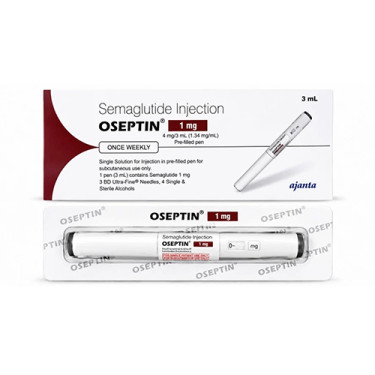
- Manufacturer:
- Ajanta Pharma
- Active ingredient
- Семаглутид
- Dosage
- 1 мг
- Best before date
- Until 2029
- Number of tablets
- 1 package
- Reception
- -
- Time of action
- -
- Daily dose
- -
- Compatibility with alcohol
- -

Oseptin 1 mg (Semaglutide): A Complete Guide to Use, Dosage, and Efficacy
In recent years, a true revolution has occurred in the treatment of type 2 diabetes and obesity. The main protagonist of this breakthrough is semaglutide—an active ingredient that has proven highly effective in normalizing blood sugar levels and reducing body weight. Oseptin 1 mg is a modern medication based on semaglutide, available in a convenient pre-filled pen for subcutaneous injections.
In this article, we will examine in detail what Oseptin is, exactly how it works in the body, who it is indicated for, what contraindications and side effects exist, and how to properly adjust the dosage. This material has been prepared taking into account current medical research and clinical protocols.
What is Oseptin (Semaglutide) and What is its Composition?
Oseptin is the brand name of a medication whose active ingredient is semaglutide. It belongs to a class of medications called glucagon-like peptide-1 receptor agonists (GLP-1 RAs).
Detailed Composition of the Medication
One pre-filled pen of Oseptin 1 mg contains:
-
Active ingredient: Semaglutide. In a dosage of 1 mg of active ingredient per injection (often supplied in a concentration of 4 mg/3 mL, providing four 1-mg doses). Semaglutide is an analog of human glucagon-like peptide-1, produced via biotechnology (recombinant DNA). Its sequence homology (similarity) to human GLP-1 is 94%.
-
Excipients:
-
Disodium phosphate dihydrate — acts as a buffer to maintain the optimal pH level of the solution so that the semaglutide protein molecule does not degrade.
-
Propylene glycol — used to make the solution isotonic, ensuring the injection is painless and does not cause tissue irritation.
-
Phenol — acts as a preservative, preventing bacterial growth inside the pen since it is used multiple times (over a month).
-
Water for injections — a sterile solvent.
-
Hydrochloric acid / sodium hydroxide — may be added in microdoses for precise pH adjustment.
-
How Semaglutide Works (Pharmacodynamics)
The mechanism of action of Oseptin is multifaceted. Glucagon-like peptide-1 (GLP-1) is a hormone normally produced in the intestines in response to food intake. Semaglutide mimics the action of this hormone by binding to the same receptors in the body, but it lasts much longer because it is resistant to the DPP-4 enzyme, which destroys natural GLP-1 in just a few minutes.
Semaglutide affects several body systems at once:
-
Pancreas: It stimulates insulin secretion (only when blood glucose levels are elevated) and suppresses the production of glucagon (a hormone that raises blood sugar). This protects against sudden sugar spikes after meals.
-
Gastrointestinal Tract: It delays gastric emptying. Food stays in the stomach longer, which smooths out the glucose absorption curve and prolongs the feeling of physical fullness.
-
Brain (Central Nervous System): Semaglutide penetrates specific areas of the brain (particularly the hypothalamus) that regulate appetite. It enhances satiety signals and weakens hunger signals. Patients report a decreased craving for high-calorie, fatty, and sugary foods.
What is Oseptin 1 mg Used For? (Indications)
Initially, semaglutide was developed exclusively for patients with carbohydrate metabolism disorders. However, during large-scale clinical trials, its powerful potential in treating obesity and reducing cardiovascular risks was discovered.
Primary medical indications for use:
-
Type 2 Diabetes Mellitus: Oseptin is used in adult patients with insufficiently controlled type 2 diabetes as an adjunct to diet and exercise. It can be prescribed:
-
As monotherapy (if the patient cannot tolerate metformin).
-
As part of combination therapy (alongside metformin, sulfonylureas, thiazolidinediones, or insulin).
-
-
Cardiovascular Risk Reduction: The drug is indicated to reduce the risk of major adverse cardiovascular events (such as heart attack, stroke, or cardiovascular death) in adults with type 2 diabetes and established cardiovascular disease.
-
Weight Management (Obesity Treatment): In global medical practice (FDA, EMA), semaglutide is officially approved for chronic weight management in adults with:
-
A Body Mass Index (BMI) of ≥ 30 kg/m² (obesity).
-
A BMI of ≥ 27 kg/m² (overweight) in the presence of at least one weight-related comorbidity (e.g., hypertension, type 2 diabetes, dyslipidemia).
-
Clinical Trials and Proven Efficacy
The efficacy and safety of semaglutide were demonstrated during the unprecedentedly large international clinical trial programs SUSTAIN (for type 2 diabetes) and STEP (for obesity treatment).
The SUSTAIN Program (Diabetes)
The SUSTAIN trial program included thousands of patients worldwide. Key findings:
-
HbA1c (Glycated Hemoglobin) Reduction: Patients taking semaglutide 1 mg once weekly showed a significant reduction in HbA1c levels (an average of 1.5 – 1.8% from baseline), which significantly outperforms many other glucose-lowering drugs.
-
Weight Loss: Even within the diabetes trials, patients lost an average of 4 to 6 kg on the 1 mg dose.
-
Cardioprotection (SUSTAIN 6 Trial): Semaglutide was proven to reduce the risk of major adverse cardiovascular events (MACE) by 26% in patients at high cardiovascular risk.
The STEP Program (Obesity)
The STEP (Semaglutide Treatment Effect in People with obesity) trials revolutionized the concept of medical obesity treatment:
-
In the STEP 1 trial, patients (without diabetes) took semaglutide alongside lifestyle interventions. After 68 weeks, the average weight loss was a staggering 14.9% of initial body weight (compared to 2.4% in the placebo group).
-
Over a third of the patients lost more than 20% of their initial weight. Improvements in blood pressure, lipid profiles, and inflammatory markers (CRP) were also recorded.
(Note: Links to primary sources and clinical trial publications are provided at the end of the article in the "References" section).
How to Take Oseptin and Adjust the Dosage
Important: Oseptin 1 mg is a therapeutic, maintenance dose. Starting treatment directly with 1 mg is strictly prohibited, as it will cause an acute reaction from the gastrointestinal tract (severe nausea, vomiting). Therapy requires a gradual "titration" (stepwise increase) of the dose to allow the body to adapt to the medication.
Dosage Adjustment Schedule (Titration)
The standard semaglutide prescription protocol is as follows:
-
Initiation Phase (Month 1): The starting dose is 0.25 mg once a week for 4 weeks. This is not a therapeutic dose; its sole purpose is gastrointestinal adaptation.
-
Escalation Phase (Month 2): After 4 weeks, the dose is increased to 0.5 mg once a week. For some patients with type 2 diabetes, this dose may already be sufficient for blood sugar control. This dose is also maintained for at least 4 weeks.
-
Therapeutic Dose (Month 3 and beyond): If glycemic control or weight loss is insufficient on the 0.5 mg dose, the dose is increased to 1 mg once a week (which corresponds to Oseptin 1 mg).
Your doctor may adjust this schedule based on your individual tolerance. If you poorly tolerate a dose increase, your doctor may recommend staying on the previous dose for another month.
Rules of Administration
-
Frequency: Oseptin is administered strictly once a week, preferably on the same day of the week (e.g., every Saturday morning).
-
Relation to food: The injection can be given at any time of day, with or without meals.
-
Injection site: The drug is administered subcutaneously (not intramuscularly or intravenously!). Optimal zones:
-
Subcutaneous fat of the abdomen (at least 5 cm away from the navel).
-
Front of the thigh.
-
Outer surface of the upper arm (if someone else is giving the injection).
-
-
It is recommended to rotate injection sites each week to avoid the formation of lumps (lipodystrophy).
What to do if you miss a dose?
-
If less than 5 days have passed since the missed dose, take the injection as soon as possible. Take the next dose on your regularly scheduled day.
-
If more than 5 days have passed, skip the missed dose and take your next injection on your regularly scheduled day. Never take a double dose to make up for a missed one.
Contraindications: Who Should Not Take Semaglutide
Despite its high efficacy, Oseptin is not for everyone. The medication cannot be prescribed in the presence of the following conditions:
Absolute Contraindications:
-
Personal or family history of Medullary Thyroid Carcinoma (MTC). In rodent studies, GLP-1 agonists caused C-cell thyroid tumors. Although this risk has not been definitively confirmed in humans, the drug is contraindicated in patients with a history of MTC.
-
Multiple Endocrine Neoplasia syndrome type 2 (MEN 2).
-
Individual hypersensitivity to semaglutide or any excipient in the formulation (risk of anaphylaxis, angioedema).
-
Pregnancy and breastfeeding. Semaglutide is toxic to the fetus (based on animal studies). The drug must be discontinued at least 2 months prior to a planned pregnancy due to its long half-life.
-
Under 18 years of age (specifically for Oseptin, as the safety profile of this specific formulation has not been fully studied in pediatrics).
Relative Contraindications (Use with extreme caution under strict medical supervision):
-
History of acute or chronic pancreatitis.
-
Severe renal impairment (end-stage renal disease).
-
Severe gastrointestinal diseases, including gastroparesis or severe inflammatory bowel diseases (Crohn's disease, ulcerative colitis).
-
Diabetic retinopathy (rapid lowering of blood sugar can cause temporary worsening of vision).
Side Effects and Possible Risks
Like any potent medication, Oseptin can cause side effects. Most of them are related to the gastrointestinal tract and resolve on their own as the body gets used to the drug during the first weeks of therapy.
Very Common Side Effects (affecting more than 1 in 10 patients):
-
Nausea (the most common symptom, especially during dose escalation).
-
Diarrhea or, conversely, severe constipation.
-
Vomiting.
-
Decreased appetite (which is a desired effect but can be perceived as discomfort).
Common (affecting 1 in 100 to 1 in 10 patients):
-
Abdominal pain, bloating, flatulence.
-
Heartburn, gastroesophageal reflux disease (GERD).
-
Fatigue, asthenia, lack of energy (often related to a calorie deficit).
-
Dizziness.
-
Complications of diabetic retinopathy (requires an ophthalmologist's evaluation).
-
Gallstone disease (cholelithiasis) — rapid weight loss can alter bile composition, leading to gallstone formation.
Rare but Serious Side Effects (require immediate discontinuation of the drug and medical attention):
-
Acute Pancreatitis: Manifests as acute, continuous, severe abdominal pain that may radiate to the back and be accompanied by vomiting.
-
Anaphylactic Reactions: Severe allergic manifestations, difficulty breathing, swelling of the face and throat.
-
Acute Kidney Injury: Most commonly occurs as a secondary complication due to severe dehydration from incessant vomiting and diarrhea.
-
Hypoglycemia: The risk of low blood sugar arises only if Oseptin is combined with insulin or sulfonylurea drugs (semaglutide does not cause hypoglycemia in monotherapy).
Drug Interactions
Because Oseptin slows gastric emptying, it can affect the absorption rate of other oral medications (tablets and capsules) you are taking.
-
Oral contraceptives, antibiotics, narrow therapeutic index drugs (e.g., levothyroxine, warfarin): A doctor should monitor their concentration or clinical effect, as their absorption timing may shift due to semaglutide.
-
Insulin and insulin secretagogues: A dose reduction of insulin is required before starting Oseptin therapy to minimize the risk of severe hypoglycemia.
Storage Conditions for Oseptin
Proper storage of pre-filled pens is critically important, as semaglutide is a protein that can degrade if exposed to incorrect temperatures.
Before first use (New, unopened pen):
-
Store in a refrigerator at a temperature between +2°C and +8°C (36°F to 46°F).
-
Do not store near the freezer compartment or cooling element.
-
USING A FROZEN MEDICATION IS STRICTLY PROHIBITED. If the pen has frozen, it must be discarded.
After first use (In-use pen):
-
After the first injection, the pen can be stored at room temperature (not above +30°C / 86°F) OR continued to be stored in the refrigerator (+2°C to +8°C).
-
The shelf life of an in-use pen is strictly 56 days (8 weeks). Any medication remaining after this time must not be used.
-
Store the pen with the cap on to protect it from direct sunlight.
-
Always remove the needle after each injection! Storing the pen with an attached needle can lead to medication leakage, air entering the cartridge, or contamination of the solution.
Frequently Asked Questions (FAQ)
Below are the 10 most popular questions from patients prescribed semaglutide (Oseptin).
1. How fast does Oseptin start working? The effect on blood sugar levels begins right after the first injection. However, a visible effect in terms of weight loss and significant appetite reduction appears gradually for most patients, usually by the time they transition to the 0.5 mg or 1 mg dose (after 4–8 weeks).
2. Can I drink alcohol during treatment? There is no direct chemical conflict between semaglutide and alcohol. However, drinking alcohol is strongly discouraged. Firstly, alcohol itself can cause hypoglycemia. Secondly, it irritates the stomach and pancreas, multiplying the drug's side effects (nausea) and increasing the risk of acute pancreatitis.
3. Do I need a prescription to buy the medication? Yes, Oseptin is a prescription medication. It is sold only with a doctor's prescription, as incorrect dosage adjustments can cause serious harm to your health.
4. Does Oseptin cause muscle loss? With rapid weight loss, both fat and muscle tissue are always lost. To minimize muscle loss, doctors strongly recommend consuming adequate protein (at least 1.2–1.5 g per kg of ideal body weight) and engaging in strength training during Oseptin therapy.
5. How do I store the medication while traveling? If you are traveling with an unopened pen, use special thermal bags or ice packs to maintain a temperature of +2 to +8°C. If the pen has already been started, it can be transported at room temperature (up to +30°C). On a plane, the medication should only be carried in your carry-on luggage (the medication may freeze in the cargo hold).
6. Can Oseptin be used for type 1 diabetes? No. Semaglutide is not intended for the treatment of type 1 diabetes or diabetic ketoacidosis. It works by stimulating the body's own pancreatic beta cells, which are destroyed in type 1 diabetes.
7. Will the weight return after stopping the medication? Studies (STEP 4) show that obesity is a chronic disease. If a patient does not maintain the eating habits they have formed and abandons physical activity after stopping the drug, the weight may return. Long-term or lifelong maintenance therapy is often required.
8. Does the injection hurt? The needles used for the pens (e.g., 4 mm, 32G) are so thin and short that they only penetrate the subcutaneous fat. In 95% of cases, the injection is absolutely painless and feels like a light touch or a mosquito bite.
9. What should I do if the nausea doesn't go away? If the nausea is unbearable, be sure to contact your doctor. Recommendations for alleviating symptoms: eat very small portions, avoid fatty, fried, and spicy foods, drink more pure water in small sips, and do not lie down immediately after eating. Your doctor may halt the dose escalation or return you to the previous step.
10. Does the drug affect mood or emotional state? Some patients experience mood swings, fatigue, or apathy. Most often, this is related to a sharp decrease in caloric intake and metabolic restructuring. However, if depressive thoughts appear, you should immediately inform your healthcare provider.
Medical Disclaimer (Attention!) The information provided in this article is for informational and educational purposes only. It is not intended to be a substitute for professional medical advice, diagnosis, or treatment, nor should it replace a comprehensive in-person consultation with a qualified healthcare provider. Oseptin (Semaglutide) is a prescription medication. Before using it, you must consult your attending physician (endocrinologist, general practitioner, or dietitian). The medication must be taken strictly as prescribed and under the regular medical supervision of your doctor. Self-medication can be dangerous to your health.
Sources and Medical Research (References)
The following data from reputable international clinical trials and regulatory body publications were used in the preparation of this material:
-
Marso SP, Bain SC, Consoli A, et al. Semaglutide and Cardiovascular Outcomes in Patients with Type 2 Diabetes (SUSTAIN-6). N Engl J Med. 2016;375(19):1834-1844. Proof of cardiovascular risk reduction. Link: PubMed PMID: 27633186
-
Wilding JPH, Batterham RL, Calanna S, et al. Once-Weekly Semaglutide in Adults with Overweight or Obesity (STEP 1). N Engl J Med. 2021;384(11):989-1002. Pivotal study on the efficacy of semaglutide for weight loss (14.9% body weight loss). Link: PubMed PMID: 33567185
-
Rubino D, Abrahamsson N, Davies M, et al. Effect of Continued Weekly Subcutaneous Semaglutide vs Placebo on Weight Loss Maintenance in Adults With Overweight or Obesity: The STEP 4 Randomized Clinical Trial. JAMA. 2021;325(14):1414-1425. A study proving the need for long-term therapy. Link: PubMed PMID: 33755728
-
U.S. Food and Drug Administration (FDA). Approval of semaglutide (Ozempic/Wegovy). Official prescribing information and safety profiles.
-
European Medicines Agency (EMA). Summary of Product Characteristics (SmPC) for semaglutide-based products. Pharmacokinetics and titration rules.
Write a review
 Thank you, Дарина! Glad you liked it.
Thank you, Оксана! Glad you liked it.
Thank you, Вікторія! Glad you liked it.
Thank you, Лариса! Glad you liked it.
Thank you, Анна! Glad you liked it.
Thank you, Дарина! Glad you liked it.
Thank you, Оксана! Glad you liked it.
Thank you, Вікторія! Glad you liked it.
Thank you, Лариса! Glad you liked it.
Thank you, Анна! Glad you liked it.







/tadaflo-5-ukraine-india-127-228x228.jpg)